
Do You Need a Permit for a Porta Potty in Valdosta?
If the unit sits on private property, on your own lot or a construction site you control, you generally don't need a permit. The question changes once the unit sits on a street, sidewalk, or any strip the city maintains. That's a right-of-way placement, and it's NOT VERIFIED against a specific Valdosta ordinance here, so treat it as a call you make to the city before the delivery truck leaves the yard. This is the same gray zone that trips up a jersey city dumpster permit question or a roll-off dumpster rental delaware job: the object is fine, the ground under it is what triggers the paperwork. Placement rules matter more than the unit itself, and emergency porta potty rental requests in Valdosta often get placed on the property line specifically to avoid the question. If you're renting for a job site rather than a backyard party, read through construction site services before you commit to a spot.
Does a Dumpster Need a Permit Too?
Same logic, different object. A roll-off dumpster rental parked entirely on your driveway or lot typically doesn't need city sign-off. Put that same box at the curb or on the street in front of the house, and now you're asking a permit-for-dumpster-on-street question, which again comes down to a call to Valdosta's public works or code office rather than something we can state as fact here. A roll-off delivery needs about 60 feet of straight clearance behind the truck to set the box down safely, so curb placement is sometimes the only option on a tight lot anyway. Check dumpster permit requirements for the placement side, and dumpster sizes and dimensions if you're trying to figure out whether a 10 yard, 20 yard, or 30 yard dumpster even fits the space you have without touching the street.
What Are the Porta Potty Placement Rules?
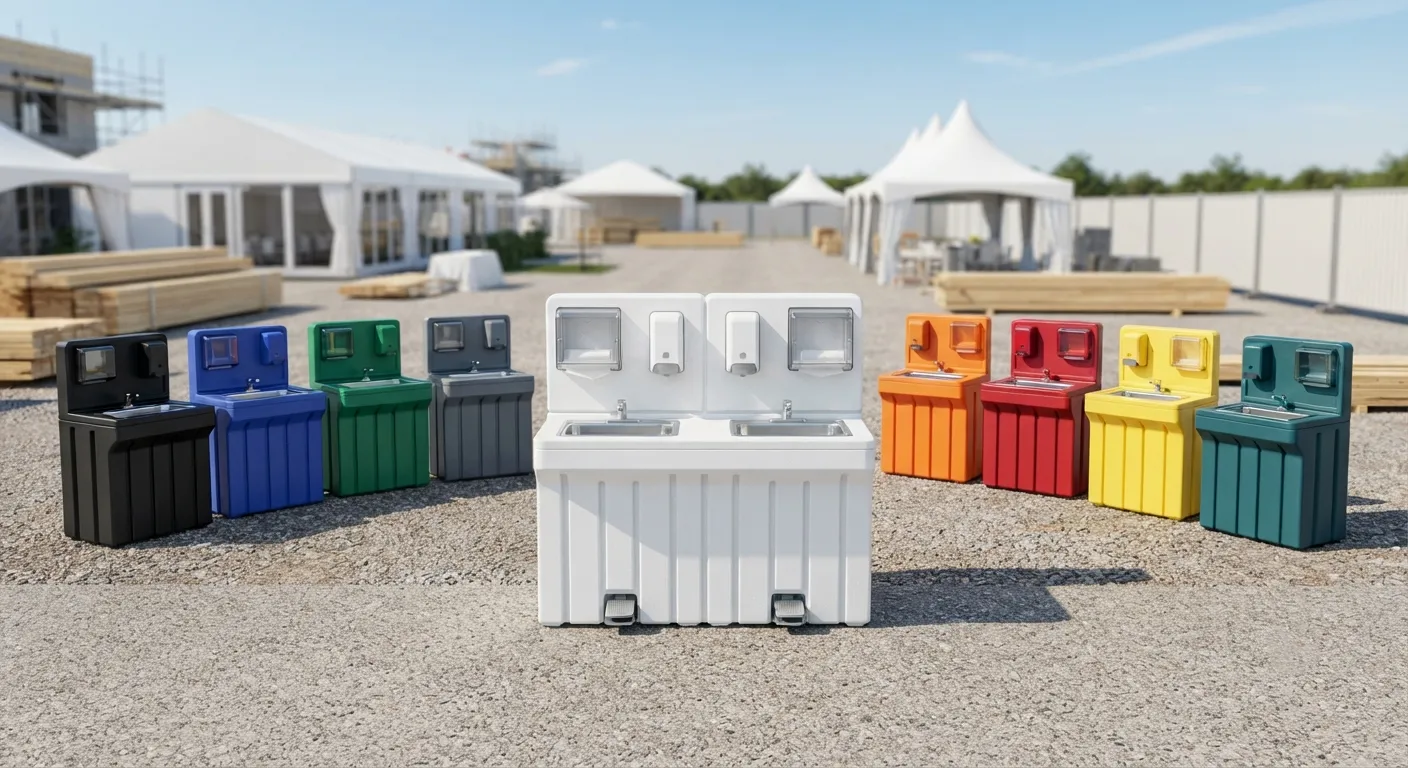
Placement rules exist for access and safety more than for paperwork. A standard unit runs about 44 by 48 inches on the ground and stands roughly 92 inches tall, so it needs a level, stable spot with room to service it weekly. ADA Standards section 302.1 calls for surfaces that are stable, firm and slip resistant, and if you're placing an ADA accessible porta potty, section 403.5.1 sets a 36 inch minimum clear route to reach it. Where several standard units cluster on one site, ADA Standards 213.2 requires at least 5 percent of them, and never fewer than one, to be accessible units. On a construction job, OSHA 1926.51(c) sets the toilet-to-worker ratio: one facility for 20 or fewer workers, scaling up from there. That's the standard we use when we help a Valdosta contractor size a standard porta potty rental order or work out how many porta potties a crew actually needs. If you're also running a generator or light tower rental on site, a temporary power pole permit is a separate city process from the toilet question entirely, and worth asking about in the same call.
Where Should Units Go on a Valdosta Job Site?
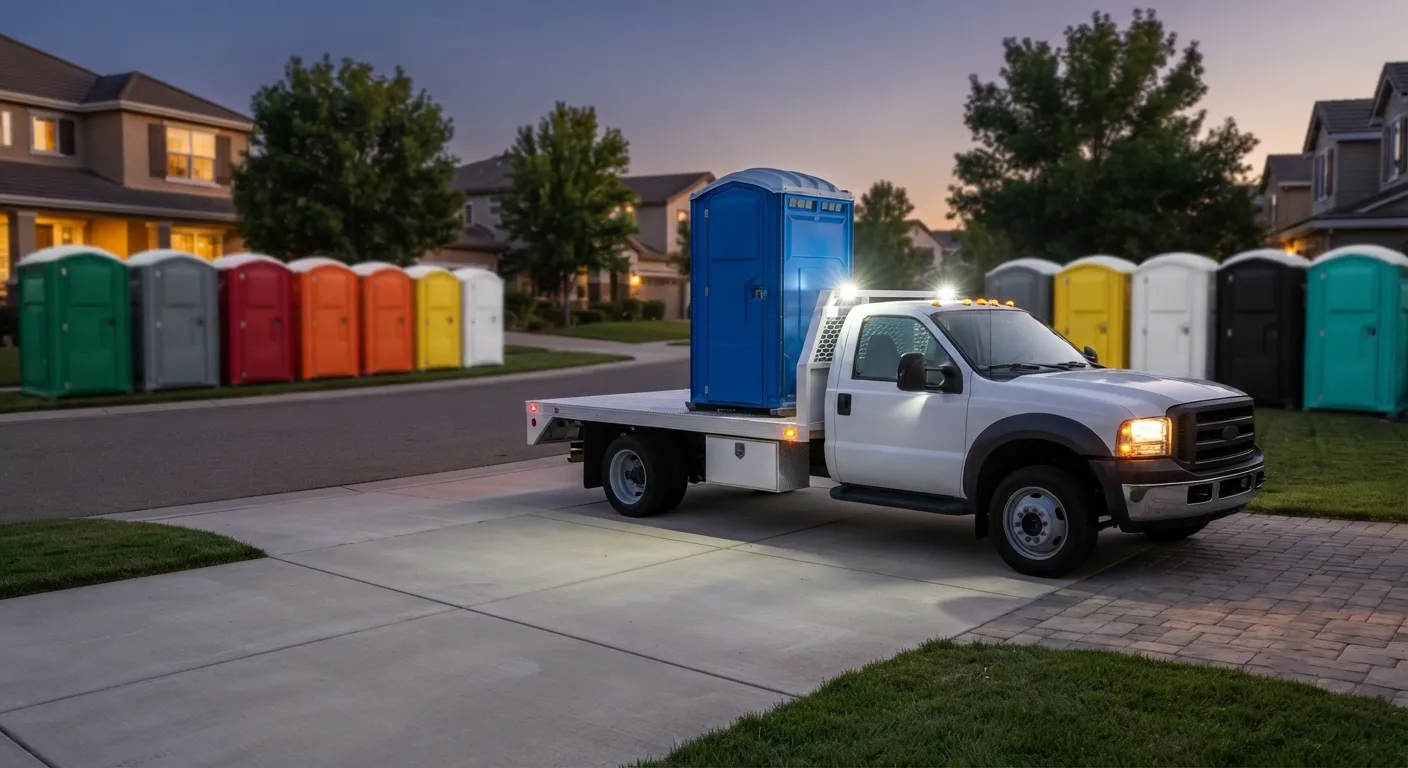
Keep the unit close to the work but clear of the path trucks and equipment use daily. OSHA 1926.25 requires scrap and debris cleared from work areas, and a porta potty parked in the wrong spot becomes exactly that kind of obstruction fast. On agricultural sites near Valdosta, OSHA 1928.110 sets a different bar: field sanitation for hand-labor crews calls for one facility per 20 workers, reachable within a quarter mile walk, which matters if you're servicing farm and agricultural restrooms out toward Clyattville, 12.6 miles south, or Naylor, 15.4 miles east. For events, event restroom rental placement is more about foot traffic flow than any code, though a restroom trailer rental still needs a level pad and, per ADA 405.2, no ramp steeper than 1:12 if it's serving accessible guests. Moody AFB sits 18.2 miles northeast of town, and jobs out that direction should factor drive time into delivery scheduling the same way a Stockton site 20.5 miles east would.
Delaware jobs, Jersey City jobs, and Valdosta jobs all share the same rule of thumb: private property is simple, public right of way needs a phone call. Porta john rental and portable toilet rental customers in town ask us this constantly, and the honest answer is that Valdosta's specific right-of-way process isn't something we can quote here without confirming it first. We'd rather tell you that than guess.
Do I need a permit for a porta potty in my own backyard?
No. A backyard or private driveway placement on your own property typically needs no permit in Valdosta. The question only comes up if the unit sits on a public street, sidewalk, or city-maintained strip, which is a separate right-of-way conversation.
Does placing a dumpster on the street require a permit?
Likely yes, but it needs confirming with the city rather than assumed. A dumpster fully on private property usually doesn't need one. Curb or street placement is the trigger, the same distinction that applies to a jersey city dumpster permit or a Delaware curb placement.
How many porta potties does a construction site need?
OSHA 1926.51(c) sets the baseline: one toilet facility for 20 or fewer workers, then one toilet seat and one urinal per 40 workers as the crew grows to 200. See OSHA portable toilet requirements for the full breakdown by crew size.
Do I need a permit for a temporary power pole?
That's a separate permit question from portable sanitation, and it's handled by the city's electrical or building department rather than anything covered here. Ask about it in the same call you make about right-of-way placement for your temporary power pole.
What's the difference between placement rules and permit requirements?
Placement rules are about access, level ground and safe clearance, things like the 60 feet a roll-off truck needs. Permits are a legal question tied to whether the unit sits on private land or public right of way. One is physics, the other is paperwork.
Next step
Get a delivery date
Tell us the address, the dates and the headcount. We size the order and confirm the route.