
How Fast Can You Deploy Sanitation After a Disaster in Valdosta?
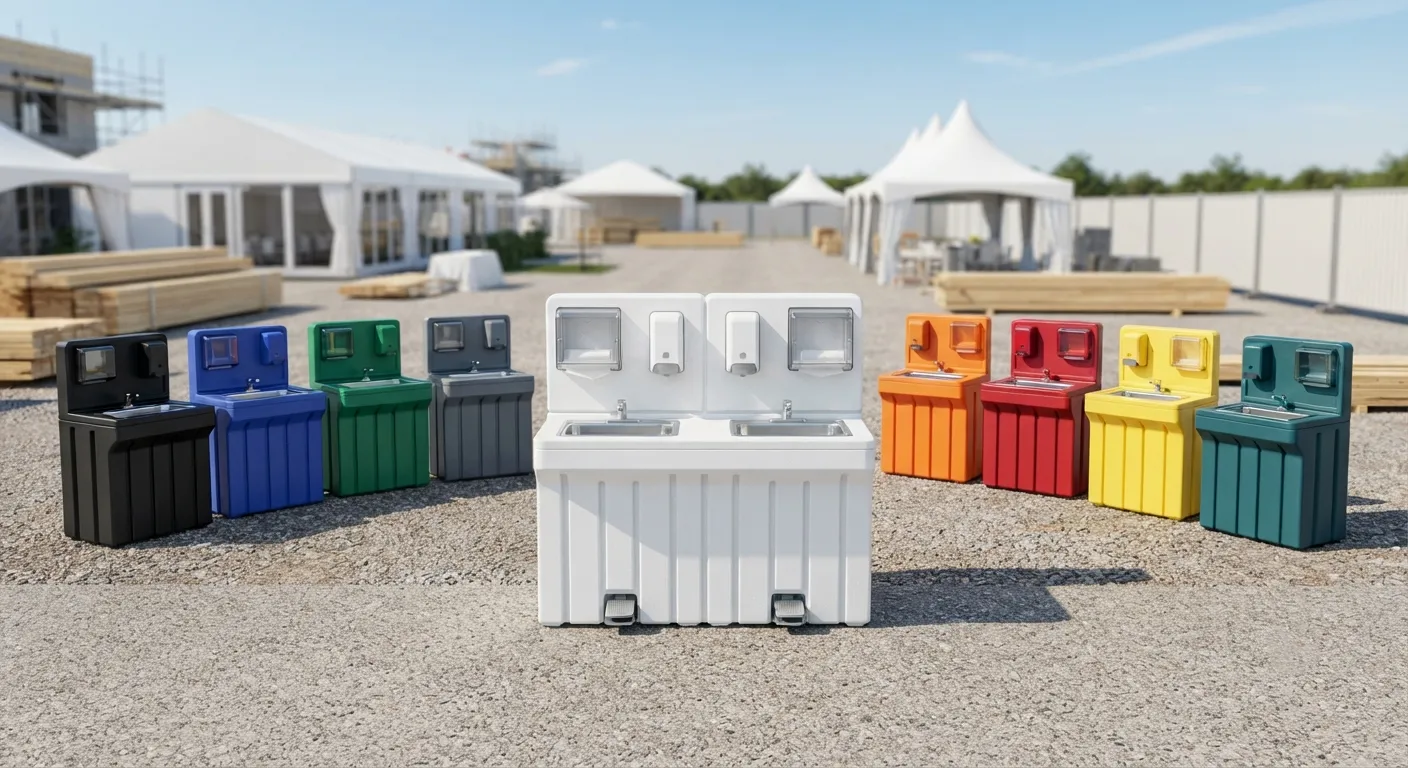
Speed depends on road access and how many units you need. For a typical residential block or a shelter setup, we aim to have emergency porta potty rental units delivered the same day the call comes in, weather permitting. A standard unit rents for a day rate in the $100 to $350 range, and if you are staging supplies for a longer recovery window a week rate runs $130 to $500, which usually pencils out cheaper than repeated day bookings. If flooding or downed lines closes a route, we work with dispatch to find another way in. Disaster response is not the time to guess at counts. If your site includes a temporary shelter, a distribution point and a work crew staging area, treat those as separate needs. Shelters need higher-traffic units with more frequent service. Crews doing debris removal or utility repair fall under OSHA portable toilet requirements, specifically OSHA 1926.51(c)(1), which sets ratios by headcount. We also stock handwashing station rental units, because water systems are often the first thing to fail, and 29 CFR 1910.141(d)(2) requires soap and towels or a hand-drying device wherever handwashing is provided, not just sanitizer. If your crew is stripping storm-damaged paint or applying coatings during repair, OSHA 1926.51(f)(1) requires washing facilities for that specific work.
What Do Shelters and Staging Sites Actually Need?
A shelter needs more units per person than a job site, because people are there around the clock, not just during a shift. Use the how many porta potties do I need guide to size it, but a rough starting point mirrors OSHA 1926.51(c)(1) ratios: one unit for smaller groups, scaling up per 40 or 50 people depending on size. Add at least one ADA accessible porta potty unit per ADA Standards section 213.2, which requires 5 percent of clustered units to be accessible, never fewer than one, even in an emergency deployment. ADA units need a 60 inch turning circle per section 304.3.1 and a 32 inch clear door opening per section 404.2.3, so site them on stable, firm ground per section 302.1, not on mud or gravel that shifts underfoot. For a larger staging site, a restroom trailer rental gives you multiple stalls and running water in one unit, useful when a shelter runs for a week or more. A 4 stall restroom trailer rents in the $175 to $2,500 day range depending on configuration, with weekly and event pricing available for extended deployments. If the site also needs waste hauled out, a roll-off dumpster rental clears storm debris, and a 10 yard dumpster rental or larger works depending on volume; check what cannot go in a dumpster before loading, since some storm debris, like propane tanks or certain chemicals, is restricted.
Where Should Units Go on a Disaster-Damaged Site?
Placement matters more after a disaster because ground conditions change fast. Standing water, downed lines and unstable debris piles all rule out spots that would work on a normal job site. Our porta potty placement guide covers firm, level ground and truck access; a roll-off delivery still needs about 60 feet of straight clearance behind the truck, and that does not change just because the site is in recovery mode. Keep units at least a short walk from generators and downed electrical lines, and away from anywhere GFCI protection under OSHA 1926.404(b)(1)(ii) has not been confirmed. If temporary power poles or light towers are staged nearby, coordinate placement so service trucks can still reach the units; see light tower rental and temporary power pole for what else might be sharing the site. For sites near Valdosta needing broader coverage, we also serve Bemiss, about 8.0 miles northeast, and Clyattville, roughly 12.6 miles south, both reachable quickly when a disaster response spans more than one community. If fencing is needed to secure a staging yard or keep the public clear of debris piles, a temporary fence rental or crowd control barrier rental helps control access while crews work.
Do you charge extra for emergency same-day delivery in Valdosta?
Same-day delivery during active disaster response is billed at our standard delivery fee, which runs $100 to $500 for a day rate depending on distance and urgency. Call first; we will confirm availability and route around any closures affecting access to your site.
Can you serve a shelter that might need units for several weeks?
Yes. Weekly and monthly rates apply once a deployment extends past a few days, and a standard unit's monthly rate runs $125 to $325. See monthly porta potty rental for how that pricing works.
What if our disaster site has no clean water at all?
That is common after major storms. We bring portable sink rental units and handwashing stations that carry their own water supply, satisfying OSHA 1926.51(a)(1)'s potable water requirement without relying on a compromised municipal line.
Do you provide septic pumping if a tank backs up during flooding?
Yes. Septic pumping service and emergency septic service both run day rates in the $150 to $300 range, and we prioritize flood-related backups when scheduling emergency calls.
How do we figure out how many units our disaster site needs?
Count expected people on site and their type of stay, shelter versus work crew, then check the how many porta potties do I need guide, which applies OSHA 1926.51(c)(1) ratios to get you a realistic starting number.
Next step
Get a delivery date
Tell us the address, the dates and the headcount. We size the order and confirm the route.