
How Often Does a Septic Tank Need Cleaning?
Three to five years is the range most Valdosta homes fall into, but that window moves based on how many people live in the house and how big the tank actually is. A household of two with a large tank might stretch closer to five years. A family of six on a smaller tank could need septic tank pumping closer to every two or three years instead. Garbage disposals, laundry habits and whether you pour grease down the drain all shift the math too. If your Valdosta property backs onto a field line that stays soggy longer than it should, that is often the first sign the tank is overdue. We see this pattern across Valdosta and out toward Bemiss, about 8.0 miles northeast, where older systems on smaller lots tend to fill faster than newer construction. When in doubt, book a septic tank cleaning instead of waiting for a backup. A pumping visit runs in the range shown in our pricing table below, and it is cheaper than fixing a saturated drain field. Watch for septic tank warning signs between visits so you are not caught off guard.
What Determines Septic Tank Cleaning Frequency?
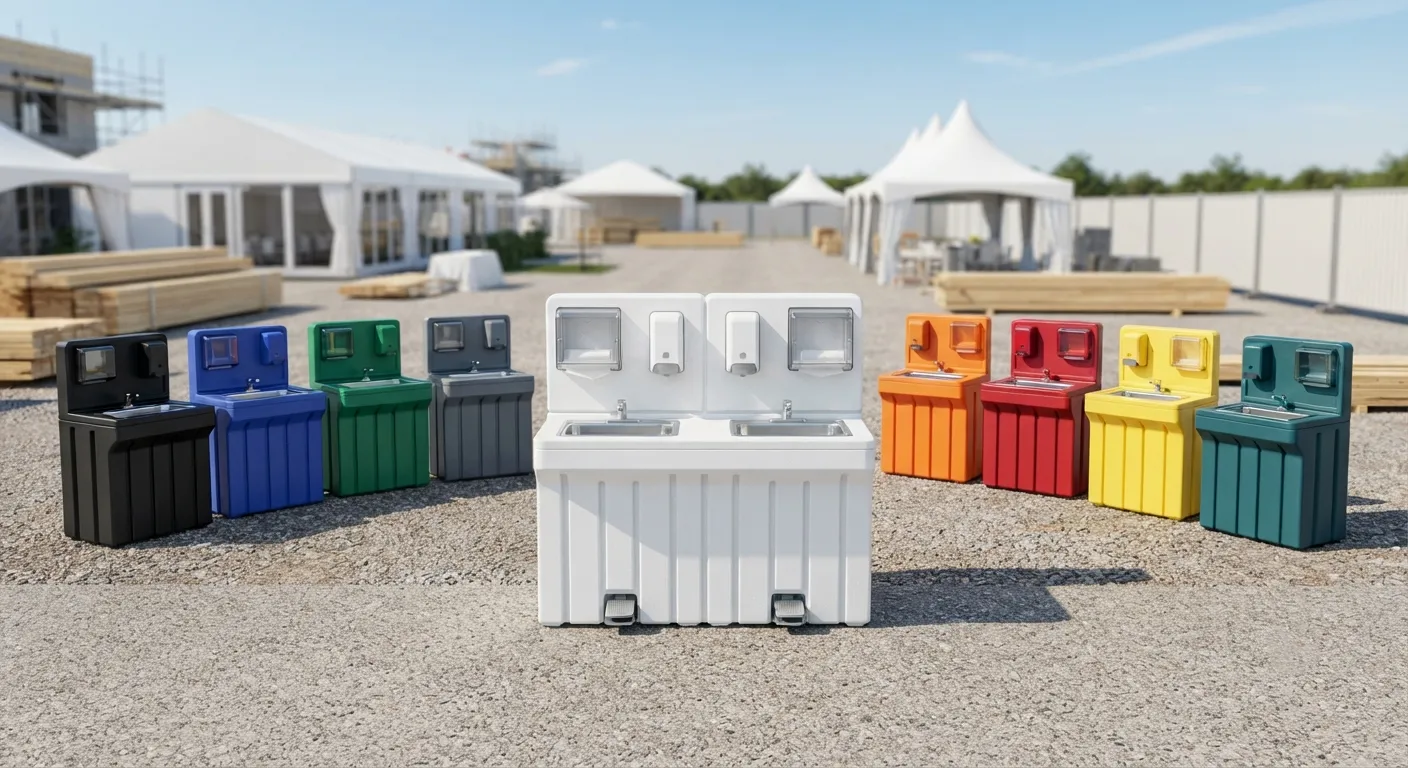
Four things drive the interval: tank size, household size, water usage and what goes down the drain. A 1,000 gallon tank serving two people lasts longer than the same tank serving six. Heavy laundry days, long showers and frequent dishwasher runs all add volume the tank has to process. Grease is its own problem: a grease interceptor gets pumped once fats, oils, grease and solids reach 25 percent of the liquid depth, and the same buildup logic applies to a home tank, just slower. If your property runs a restaurant or a commercial kitchen, ask about grease trap pumping on its own schedule, separate from the main tank. For most Valdosta homeowners the simple rule holds: more people and more water in means more frequent trips out. Renovation projects add pressure too. A home under construction that adds a temporary crew on-site should pair septic care with a home renovation porta potty so the household system is not carrying extra load during the build. Farms and rural properties near Clyattville, 12.6 miles south, often run larger tanks feeding fewer fixtures, which changes the interval again, and agricultural operations sometimes need dedicated farm and agricultural restrooms to take pressure off the main house system entirely.
Why Does Pumping Frequency Matter for Valdosta Homes?
Skip a pumping cycle and solids build up past the point a drain field can filter, and that is when repairs get expensive. A backed-up field line means digging, and digging near Valdosta clay soil is not cheap or fast. Staying on schedule protects the investment. It also matters if you are selling: a documented pumping history reassures a buyer the same way a clean inspection does. For rural properties near Naylor, 15.4 miles east, where systems often run older, a consistent schedule matters even more because replacement parts and field access take longer to arrange. If you notice slow drains, standing water in the yard or a smell near the tank, do not wait for the next calendar reminder. Check the septic tank warning signs page and call for emergency septic service if things look bad. A stitch in time with a scheduled pumping avoids a much bigger bill down the road, and it is a lot less disruptive than an emergency call on a Saturday.
Should I Get a Holding Tank Instead?
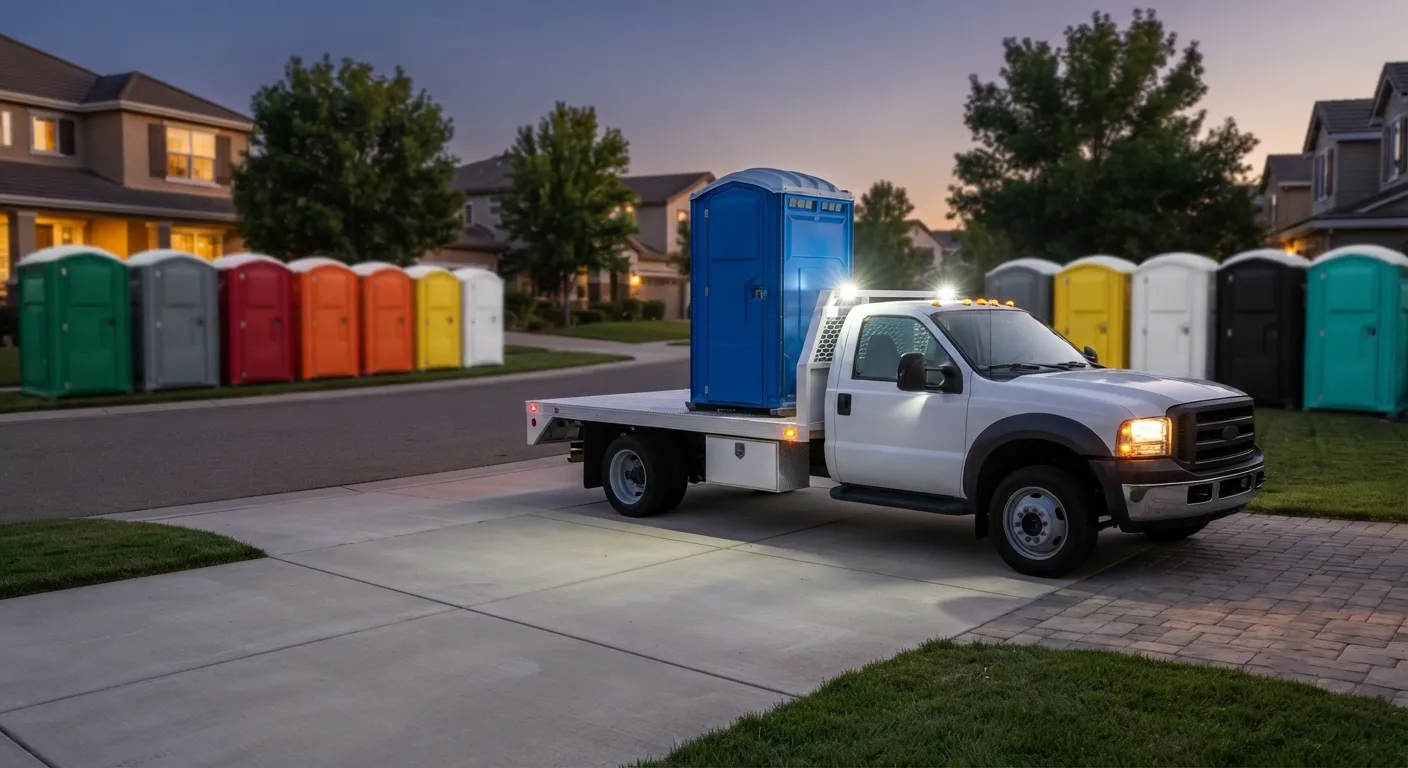
No, not for a permanent home. A holding tank is a temporary solution for construction sites, events or properties without a functioning septic system, not a replacement for one that just needs pumping. If you are building near Moody AFB, 18.2 miles northeast, and the property has no working septic yet, a holding tank rental bridges the gap until permanent service is installed. For an active construction site anywhere in the Valdosta area, pairing a holding tank with construction site services and a standard portable toilet rental keeps crews covered without stressing a system that is not ready for full-time use.

Pricing at a Glance
| service | duration | low | typical | high |
|---|---|---|---|---|
| septic pumping | day | $150 | $250 | $300 |
| septic pumping | weekend | $50 | $100 | $150 |
Ask about scheduling a septic pumping service visit alongside your regular maintenance so you are not paying weekend rates for something a weekday appointment covers.
How do I know if my septic tank needs pumping now?
Slow drains, gurgling pipes, a sewage smell near the tank or standing water in the yard are the clear signs. Do not wait. Review the septic tank warning signs page and schedule service before a small problem becomes a yard excavation.
Can I extend the time between pumpings?
Somewhat. Cutting back on garbage disposal use, spacing out laundry loads and avoiding grease down the drain all reduce solids buildup. It will not double your interval, but it helps stretch a 3 to 5 year window toward its longer end.
How much does septic pumping cost in Valdosta?
A standard visit typically falls in the $150 to $300 range for a day appointment, per our local pricing data. Weekend service costs more. See septic tank pumping cost for a fuller breakdown by tank size and access.
What is the difference between septic pumping and cleaning?
Pumping removes liquid and solids from the tank. Cleaning can include agitating and removing sludge that pumping alone misses. Most routine visits are pumping; ask about a full septic tank cleaning if it has been longer than five years.
Do I need a permit to have my septic tank pumped in Valdosta?
Routine pumping typically does not require a permit, but placement of equipment or trucks in a right of way may need confirming with the city. Contact Valdosta Porta Pros through request a quote or check contact before your appointment if access is tight.
Next step
Get a delivery date
Tell us the address, the dates and the headcount. We size the order and confirm the route.