
What Does OSHA Require For Portable Toilets On A Construction Site?
The rule is 1926.51(c), and it scales with headcount, not square footage. Crews of 20 or fewer need just one unit. Cross 20 workers and you add a toilet seat and a urinal for every 40 people, all the way to 200. Past that threshold, the ratio drops to one per 50. This applies to job sites, not office crews, so a construction site services plan should count boots on the ground, not the org chart. Agricultural operations follow a different rule entirely: OSHA 1928.110 requires field sanitation with potable water, toilets and handwashing within a quarter mile walk of hand-labor employees, one facility per 20 workers. If you run a farm crew near Clyattville, 12.6 miles south of Valdosta, that quarter-mile distance matters more than the 1926.51(c) headcount ratio does. Water supply ties in too: 1926.51(a)(1) requires an adequate supply of potable water at every place of employment, which is why handwashing station rental often rides along with the toilet order. Not sure how many units your crew needs. Our how many porta potties do I need guide walks through the math with real crew sizes.
How Many Porta Potties Do I Need For My Crew Size?
Start with the OSHA ratio, then round up, not down. A 15-person framing crew needs one standard porta potty rental under the 20-and-fewer rule. A 45-person crew crosses into the 40-worker bracket and needs two units minimum, plus a urinal. Once a site tops 200 workers, the math shifts to one per 50, which is common on larger construction site services projects around Valdosta. Duration matters too. A standard unit rents for something like the low hundreds on a day rate, with weekly and monthly pricing dropping the per-day cost the longer the job runs, detailed further on our porta potty rental cost page. Accessibility counts separately from headcount: ADA Standards section 213.2 requires that where single-user units are clustered, at least 5 percent be accessible, with a minimum of one unit no matter how small the cluster. That is why most multi-unit orders in Valdosta include at least one ADA accessible porta potty even on a modest job.
Where Should Portable Toilets Be Placed On A Job Site?
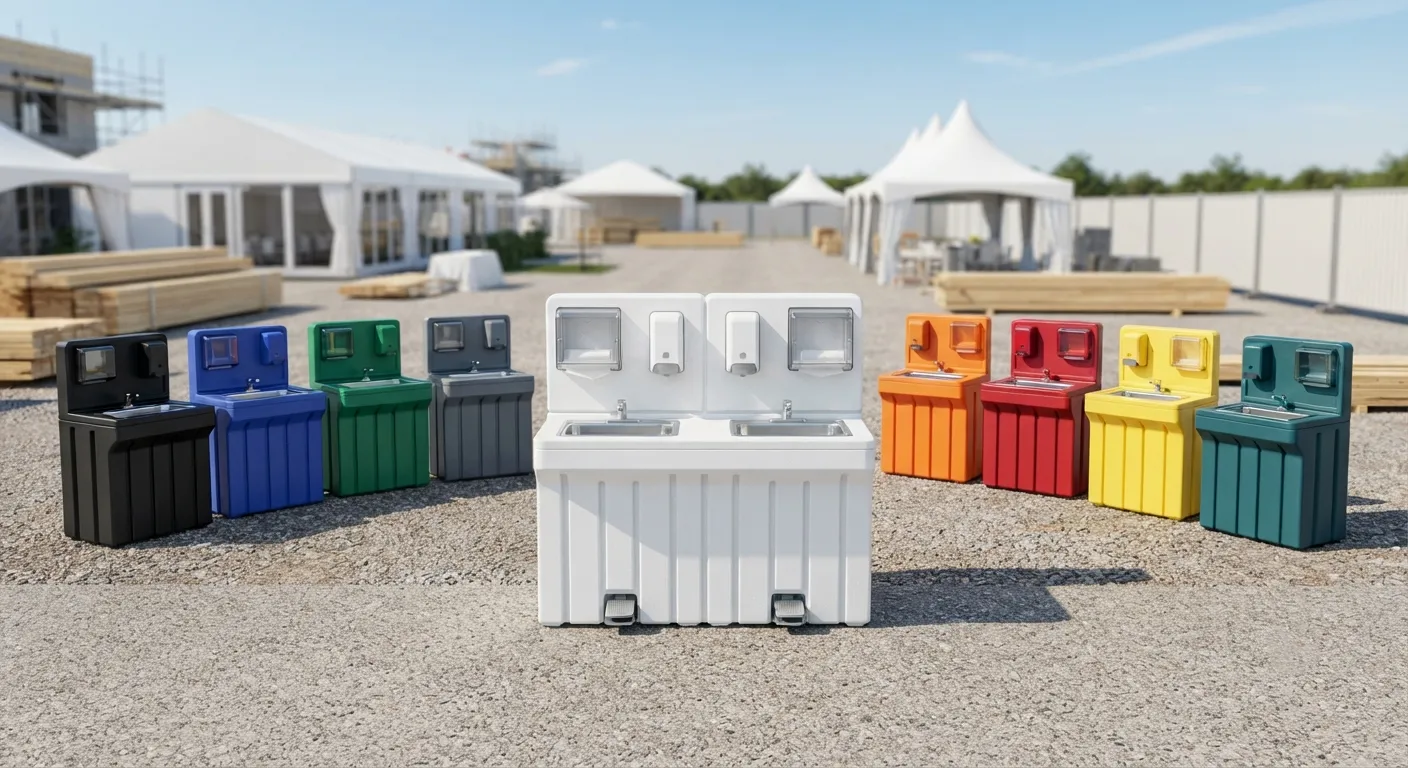
Placement is about access, not just distance. ADA Standards section 405.2 caps ramp slope at 1:12, and section 403.5.1 requires a 36 inch clear route to the unit, so a toilet parked behind loose gravel or across a rutted lot fails the standard even if the headcount math is right. Door openings need 32 inches clear under section 404.2.3, and a 60 inch turning circle applies under section 304.3.1 for wheelchair users. Ground surfaces have to be stable and slip resistant per section 302.1, which rules out soft mud or loose fill as a permanent pad. On active sites, OSHA 1926.56(a) sets minimum lighting for work areas, which affects units placed near night shifts, and 1926.202 requires barricades meeting ANSI D6.1 around anything that blocks a walkway. Our porta potty placement guide covers ground conditions and setback distances in more detail. Placement in a public right of way in Valdosta needs confirming directly with the city; we do not guess at that rule, so check with the relevant department before setting a unit at a curb line or sidewalk.
Do OSHA Rules Change For Handwashing And Contaminant Exposure?
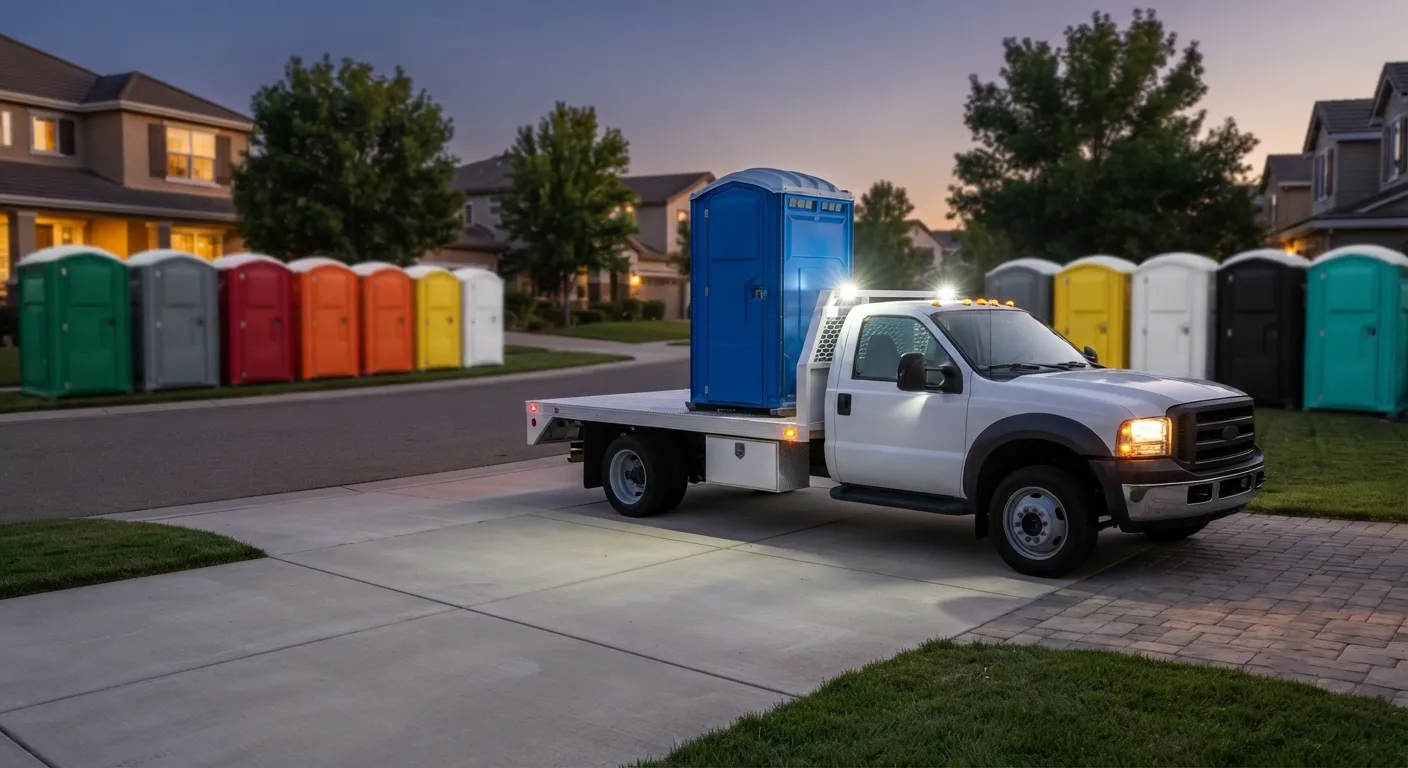
Yes, and this is where people get it wrong. General toilet counts fall under 1926.51(c), full stop. But 1926.51(f)(1) is a separate, narrower rule: washing facilities are required specifically where employees apply paints, coatings, herbicides or insecticides, or work with other harmful contaminants. It is not a blanket handwashing mandate for every job site. Pair that with 29 CFR 1910.141(d)(2), which requires soap and towels or a hand-drying device at washing stations, since hand sanitizer alone does not satisfy it. A hand sanitizer station rental can supplement a site, but it cannot replace a proper portable sink rental where painting or pesticide work is happening. Crews near Moody AFB, about 18.2 miles northeast of Valdosta, doing coating or striping work should plan for both. Full detail on which standard applies where lives on our handwashing requirements page, and OSHA portable toilet requirements ties back to this cluster for the toilet-count side of the question.
| unit | day | week | month |
|---|---|---|---|
| standard | 100-350 | 130-500 | 125-325 |
| ada | 200-400 | 120-240 | n/a |
| deluxe | 85-1200 | 150-290 | n/a |
Valdosta Porta Pros quotes against these bands directly, and a request a quote gets you an exact number for your crew size and job length. For sites needing temporary fence rental or a light tower rental alongside toilets, we bundle delivery.
How many porta potties does OSHA require per worker?
One unit per 20 workers or fewer, then one toilet and one urinal per 40 workers up to 200, dropping to one per 50 above that, all under OSHA 1926.51(c). Round headcount up when it is close to a bracket line, and check our OSHA portable toilet requirements breakdown for edge cases.
What is the OSHA portable toilet distance requirement?
OSHA's construction rule, 1926.51(c), does not set a walking distance. Agricultural field sanitation under 1928.110 does: toilets must sit within a quarter mile of hand-labor workers. Confirm which standard applies to your operation before assuming a distance rule exists.
Does Cal OSHA have different portable toilet requirements than federal OSHA?
Georgia sites fall under federal OSHA, not Cal OSHA, since Georgia does not run a state plan matching California's. Federal 1926.51(c) governs construction toilet counts here in Valdosta. If you operate in California too, that state's rules differ and need separate research there.
Do I need an ADA accessible unit on every job site?
Only when units are clustered. ADA Standards section 213.2 requires at least 5 percent of clustered single-user units be accessible, with a minimum of one regardless of cluster size. A single stand-alone unit on a small job may not trigger this rule at all.
Can hand sanitizer stations replace handwashing stations for OSHA compliance?
No. 29 CFR 1910.141(d)(2) requires soap and towels or a hand-drying device, and sanitizer does not meet that standard. Where 1926.51(f)(1) applies, for paint, coating, herbicide or insecticide work, a proper washing station is required, not a sanitizer dispenser alone.
Next step
Get a delivery date
Tell us the address, the dates and the headcount. We size the order and confirm the route.